Understanding the psychological triggers behind gambling behavior
The Allure of Risk and Reward
The thrill of gambling often revolves around the allure of risk and reward. The possibility of winning big can trigger excitement and anticipation, creating a rush of adrenaline. This response is deeply rooted in psychological principles, particularly the concept of reinforcement. When a gambler wins, even if it’s just a small amount, it reinforces the behavior, encouraging them to play again. 1win This cycle can lead to a powerful compulsion to chase after that next win.
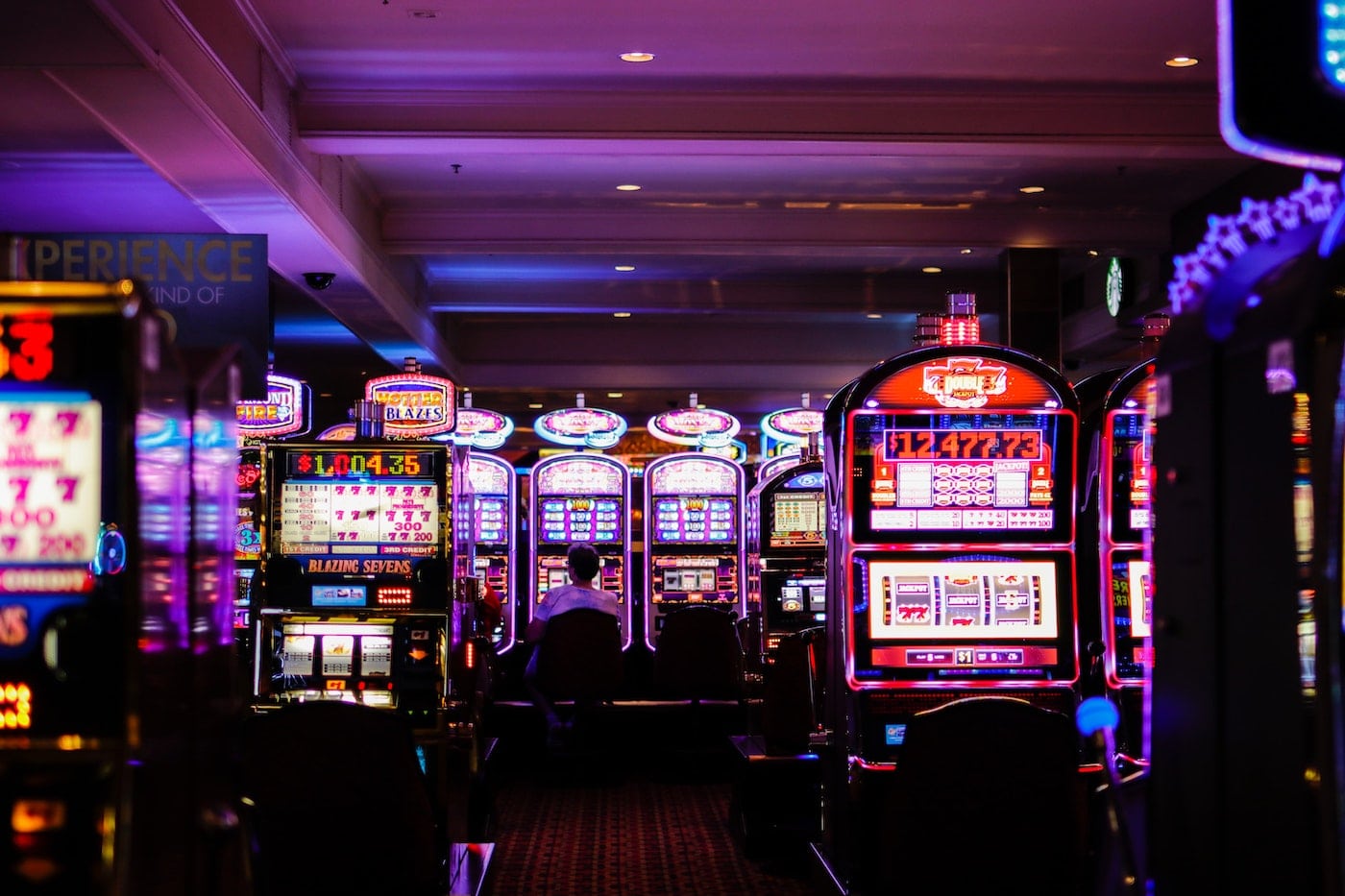
Furthermore, the anticipation of a potential win activates the brain’s reward system. Areas such as the nucleus accumbens and the ventral tegmental area become active, releasing dopamine, which enhances feelings of pleasure and satisfaction. This biochemical reaction solidifies the connection between gambling and positive emotions, leading individuals to seek out these experiences repeatedly.
The Role of Cognitive Biases
Cognitive biases play a significant role in how individuals perceive gambling outcomes. Gamblers often fall prey to the illusion of control, where they believe they can influence the outcome of games purely based on their skills or strategies. This fallacy can lead to increased gambling behavior, as players are more likely to continue betting, convinced that they have a winning strategy.
Additionally, the gambler’s fallacy is another cognitive bias that affects behavior. This is the belief that past events influence future outcomes in random games. For example, a player might think that if a particular slot machine hasn’t paid out recently, it is “due” for a win. Such misconceptions can fuel continued gambling, leading individuals to invest more time and money into the activity.
The Influence of Social Dynamics
Social interaction can also significantly influence gambling behavior. Many individuals are drawn to casinos or online platforms not just for the games themselves but for the communal experience. Engaging with others can amplify the excitement of gambling, creating an environment where individuals feel more inclined to take risks.
Moreover, social norms and peer pressure can encourage gambling, as individuals often conform to the behaviors of those around them. When friends or family members engage in gambling activities, it can create a sense of acceptance and normalization, leading to increased participation. This social reinforcement can make it difficult for individuals to recognize unhealthy gambling habits.
The Impact of Stress and Emotional State
The emotional state of an individual significantly influences gambling behavior. Many people turn to gambling as a coping mechanism during times of stress, anxiety, or depression. The temporary escape that gambling provides can be alluring, as it offers a way to distract oneself from life’s challenges.
However, this strategy often backfires. While gambling may provide short-term relief, it can lead to long-term negative consequences, including financial strain and worsened mental health. Recognizing this connection can be crucial for individuals seeking to manage their gambling behavior in healthier ways and finding alternative coping strategies.
Experience Safe Gambling at 1Win
At 1Win, we understand the complexities behind gambling behavior and strive to create a secure and enjoyable environment for all players. With a vast selection of over 10,500 games, including slots and table games, we offer a diverse range of options for everyone. Our commitment to customer satisfaction is evident through our 24/7 support and robust security measures, ensuring a safe gaming experience.
Additionally, new players can take advantage of our generous welcome bonus, allowing them to explore our platform without significant risk. We prioritize responsible gaming and encourage our players to be mindful of their gambling habits. Join us at 1Win for a thrilling yet safe gaming experience where your enjoyment is our top priority.